17 July 2025
Introducing the Crucible of Light Multimedia Art Project
Since I finished my series of historical landscapes of Spain series, I’ve been working hard on the planning for a substantial new project. It tells the story of Europe’s Muslims and Christians in war and peace, from the birth of Islam to the present, through visual art and writing. My aspiration is to transform the negative energies of cultural and religious hostility into reconciliation, respect and understanding between European Muslims and Christians. That aspiration is expressed through the creative work of art and words, conceived and shared as a multimedia public engagement project.
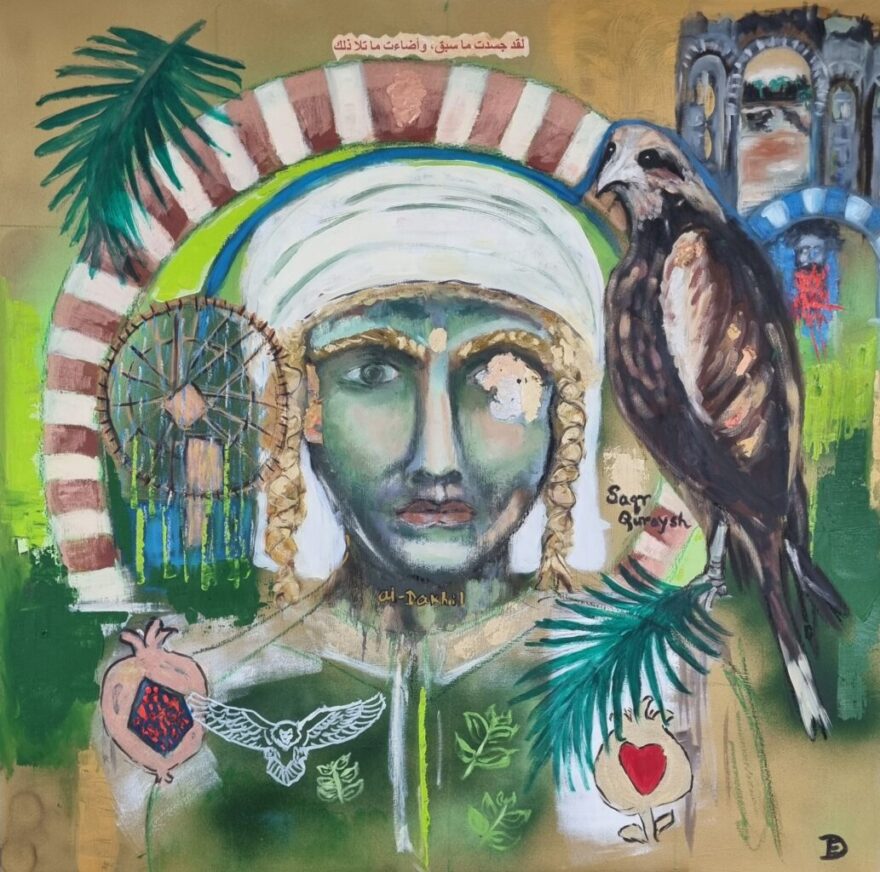
Inspired by Hew Locke’s major installation The Procession and by the work of Anselm Kiefer, Crucible of Light is a procession of paintings and texts, a grand pageant of portraits, historical landscapes and battle scenes that depict the encounters between Christians and Muslims in Europe from the seventh century to the present. The painted spectacle portrays the narrative of my book Crucible of Light: Islam and the forging of Europe from the 8th to the 21st century (Picador, September 2025) in visual form, interspersed with excerpts from the text. In essence it relates the story of my book in oil and mixed media. The project has powerful significance for a general European public in its exploration of the connections between Muslims and Christians, of what brings them together as well as what divides them, and presents a new vision of Europe’s shared cultural and historical identity.